Korean Bibimbap
Highlighted under: Authentic World Food Ideas
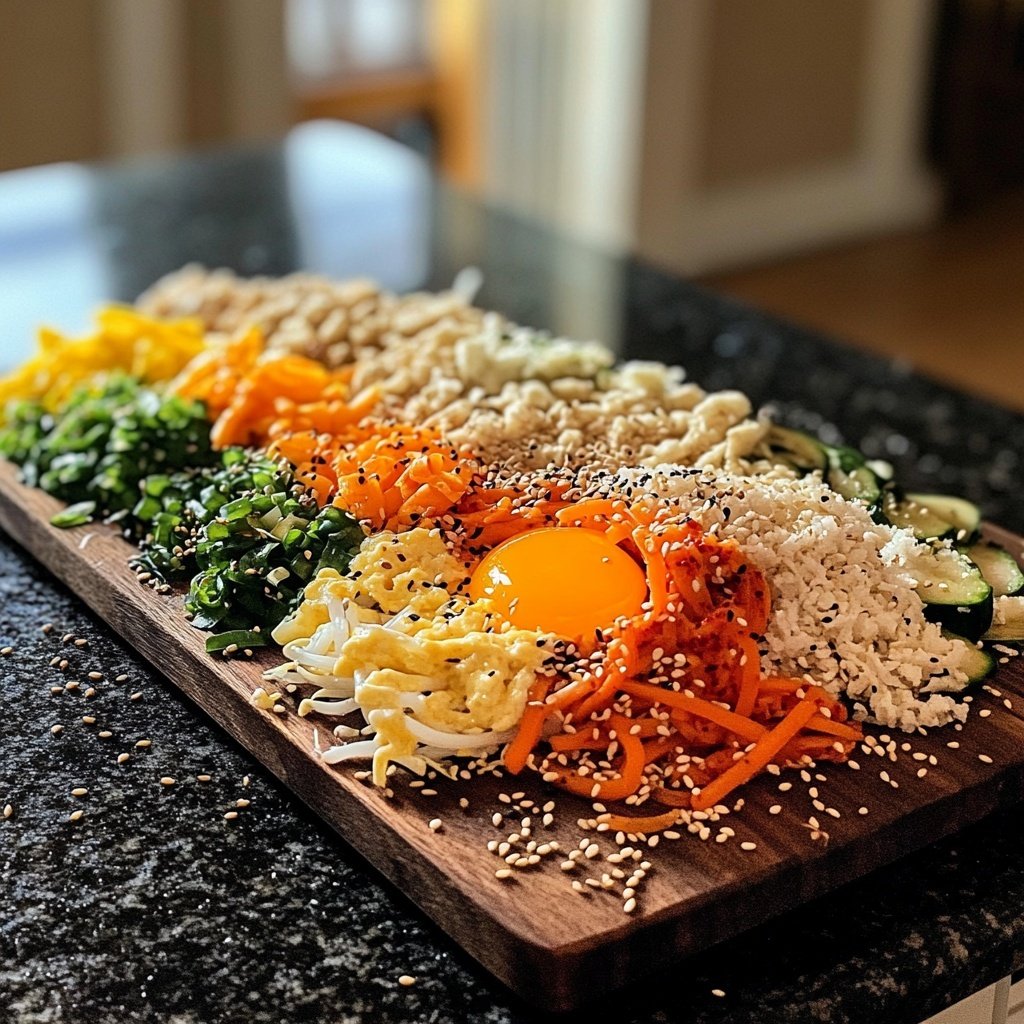
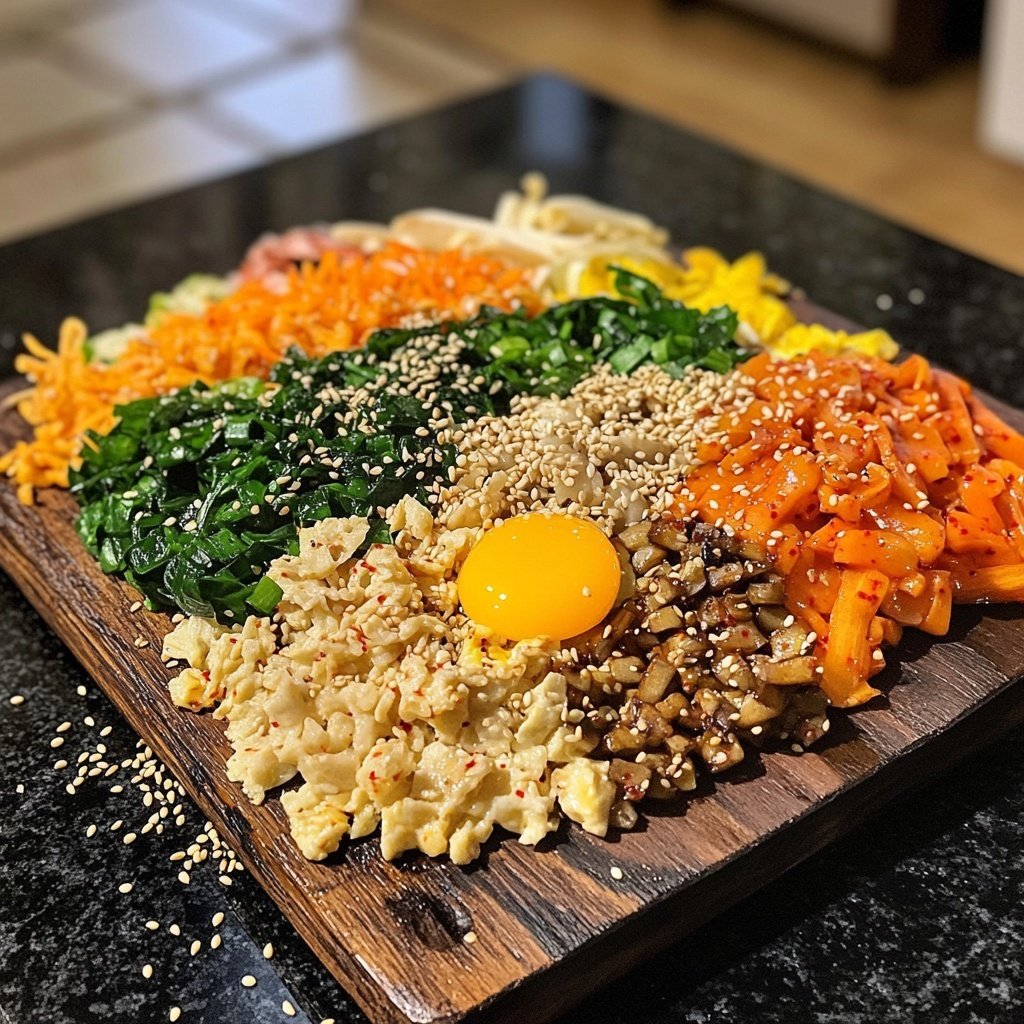
Korean Bibimbap is a vibrant and nutritious rice dish topped with an array of vegetables, beef, and a fried egg, all mixed together with a spicy gochujang sauce.
Korean Bibimbap is a traditional dish that represents the harmony of flavors and textures. It is often served in a hot stone bowl, which creates a delightful crispy rice layer at the bottom.
Why You'll Love This Recipe
- A perfect balance of flavors and textures with fresh vegetables and savory meat
- Customizable to suit your taste preferences or dietary needs
- Quick prep and cook time make it an ideal weeknight dinner
The Rich History of Bibimbap
Bibimbap, which translates to 'mixed rice,' is a traditional Korean dish that has its roots in the ancient royal court cuisine. This iconic meal showcases the beauty of seasonal vegetables, reflecting the Korean philosophy of harmony with nature. Each ingredient represents a different aspect of the Korean culture, emphasizing balance and nutrition. The dish has evolved over the centuries, becoming a staple in Korean households and restaurants around the world.
Originally served as a meal for the nobility, bibimbap has transformed into a beloved street food. The vibrant colors and flavors of this dish symbolize the diversity of ingredients found in Korean cooking. Whether you enjoy it at a high-end restaurant or from a local vendor, bibimbap offers a unique culinary experience that celebrates Korea’s rich heritage.
Nutritional Benefits of Bibimbap
Korean Bibimbap is not just a feast for the eyes; it's also packed with nutrients. The dish typically includes a variety of fresh vegetables, which provide essential vitamins, minerals, and antioxidants. Spinach, carrots, zucchini, and bean sprouts are all nutrient-dense ingredients that contribute to a balanced diet. By incorporating these vibrant veggies, bibimbap supports overall health and wellness.
Moreover, the addition of ground beef provides a good source of protein, essential for muscle repair and energy. The healthy fats from sesame oil and the eggs contribute to satiety, making bibimbap a satisfying meal. For those looking to reduce calories or follow a plant-based diet, bibimbap is highly customizable, allowing for substitutions like tofu or additional vegetables.
Tips for Perfecting Your Bibimbap
To achieve the best flavor and texture in your bibimbap, it's essential to use freshly cooked rice. Short-grain rice is ideal for this dish, as it has a sticky texture that helps the ingredients bind together. Make sure to cook the rice just before assembling your bibimbap for optimal taste. You can also prepare the vegetables ahead of time to save on prep during busy weeknights.
Experimenting with different toppings can elevate your bibimbap experience. Consider adding kimchi for a spicy kick or avocado for creaminess. You can also play with various sauces beyond gochujang, such as soy sauce or sesame dressing, to tailor the flavor to your liking. The versatility of bibimbap makes it a fun dish to share with family and friends, encouraging everyone to create their unique combinations.
Ingredients
For the Bibimbap
- 2 cups cooked rice
- 1 cup spinach, blanched
- 1 cup carrots, julienned
- 1 cup zucchini, julienned
- 1 cup bean sprouts, blanched
- 1 cup shiitake mushrooms, sliced
- 1/2 lb ground beef
- 4 eggs
- 2 tablespoons sesame oil
- 2 tablespoons soy sauce
- 1 tablespoon gochujang (Korean chili paste)
- Salt and pepper to taste
- Sesame seeds for garnish
- Green onions for garnish
Instructions
Prepare the vegetables
In a skillet, heat 1 tablespoon of sesame oil over medium heat. Sauté each vegetable (carrots, zucchini, mushrooms, and spinach) separately until tender, seasoning with salt and pepper. Set aside.
Cook the beef
In the same skillet, add the ground beef. Cook until browned, mixing in soy sauce and a bit of sesame oil. Remove from heat.
Fry the eggs
In a separate pan, fry the eggs sunny-side up until the whites are set but the yolks are still runny.
Assemble the Bibimbap
In a large bowl, place a serving of rice. Arrange the cooked vegetables and beef on top of the rice. Add the fried egg and a dollop of gochujang. Garnish with sesame seeds and green onions.
Mix and enjoy
Before eating, mix all the ingredients together to incorporate the flavors. Enjoy your homemade Korean Bibimbap!
Pro Tips
For a vegetarian option, substitute beef with tofu or additional vegetables. You can also adjust the level of gochujang to suit your spice preference.
Storage and Meal Prep
Bibimbap is an excellent dish for meal prep, as the components can be stored separately in the refrigerator for up to four days. Keep the rice, vegetables, and beef in airtight containers to maintain freshness. When you're ready to enjoy a bowl, simply reheat the rice and toppings, then assemble with a fried egg and gochujang for a quick and nutritious meal.
If you plan to make a larger batch, consider freezing portions of the cooked vegetables and beef. This way, you'll have ready-to-use ingredients for quick bibimbap whenever you need a satisfying meal. Just be sure to thaw and reheat thoroughly before serving.
Serving Suggestions
Bibimbap is a versatile dish that can be served on its own or paired with various side dishes. Korean pickles, such as pickled radish or cucumber, add a refreshing contrast to the rich flavors of the bibimbap. You can also serve it with a side of miso soup or a light salad to complete the meal.
For a fun twist, consider serving bibimbap in a hot stone bowl (dolsot). This method creates a crispy rice crust at the bottom, adding an exciting texture to each bite. The sizzling sound and aromatic steam will enhance the dining experience and make your bibimbap feel extra special.
Questions About Recipes
→ Can I make Bibimbap ahead of time?
Yes, you can prepare the vegetables and beef in advance. Just assemble and fry the egg when you're ready to serve.
→ Is Bibimbap gluten-free?
The dish can be made gluten-free by substituting soy sauce with tamari or a gluten-free soy sauce alternative.
→ What can I use instead of gochujang?
You can use a mixture of chili paste and a bit of sugar as a substitute, though the flavor will vary.
→ Can I add other ingredients?
Absolutely! Bibimbap is very versatile; feel free to add any vegetables or proteins you love.
Korean Bibimbap
Created by: Megan Scott
Recipe Type: Authentic World Food Ideas
Skill Level: Intermediate
Final Quantity: 4 servings
What You'll Need
For the Bibimbap
- 2 cups cooked rice
- 1 cup spinach, blanched
- 1 cup carrots, julienned
- 1 cup zucchini, julienned
- 1 cup bean sprouts, blanched
- 1 cup shiitake mushrooms, sliced
- 1/2 lb ground beef
- 4 eggs
- 2 tablespoons sesame oil
- 2 tablespoons soy sauce
- 1 tablespoon gochujang (Korean chili paste)
- Salt and pepper to taste
- Sesame seeds for garnish
- Green onions for garnish
How-To Steps
In a skillet, heat 1 tablespoon of sesame oil over medium heat. Sauté each vegetable (carrots, zucchini, mushrooms, and spinach) separately until tender, seasoning with salt and pepper. Set aside.
In the same skillet, add the ground beef. Cook until browned, mixing in soy sauce and a bit of sesame oil. Remove from heat.
In a separate pan, fry the eggs sunny-side up until the whites are set but the yolks are still runny.
In a large bowl, place a serving of rice. Arrange the cooked vegetables and beef on top of the rice. Add the fried egg and a dollop of gochujang. Garnish with sesame seeds and green onions.
Before eating, mix all the ingredients together to incorporate the flavors. Enjoy your homemade Korean Bibimbap!
Extra Tips
For a vegetarian option, substitute beef with tofu or additional vegetables. You can also adjust the level of gochujang to suit your spice preference.
Nutritional Breakdown (Per Serving)
- Calories: 500 kcal
- Total Fat: 23g
- Saturated Fat: 6g
- Cholesterol: 186mg
- Sodium: 800mg
- Total Carbohydrates: 60g
- Dietary Fiber: 5g
- Sugars: 5g
- Protein: 20g